
5 Steps to Find Your Tribe After Service and Stay Connected
5 Steps to Find Your Tribe After Service and Stay Connected (Easy Guide for Veterans)

The uniform provides more than a rank. It provides a pulse.
When you serve, your community is built into the architecture of your life. You wake up with them. You ruck with them. You bleed with them. Then, the transition happens. The camouflage is folded and placed in a box. The silence that follows is loud.
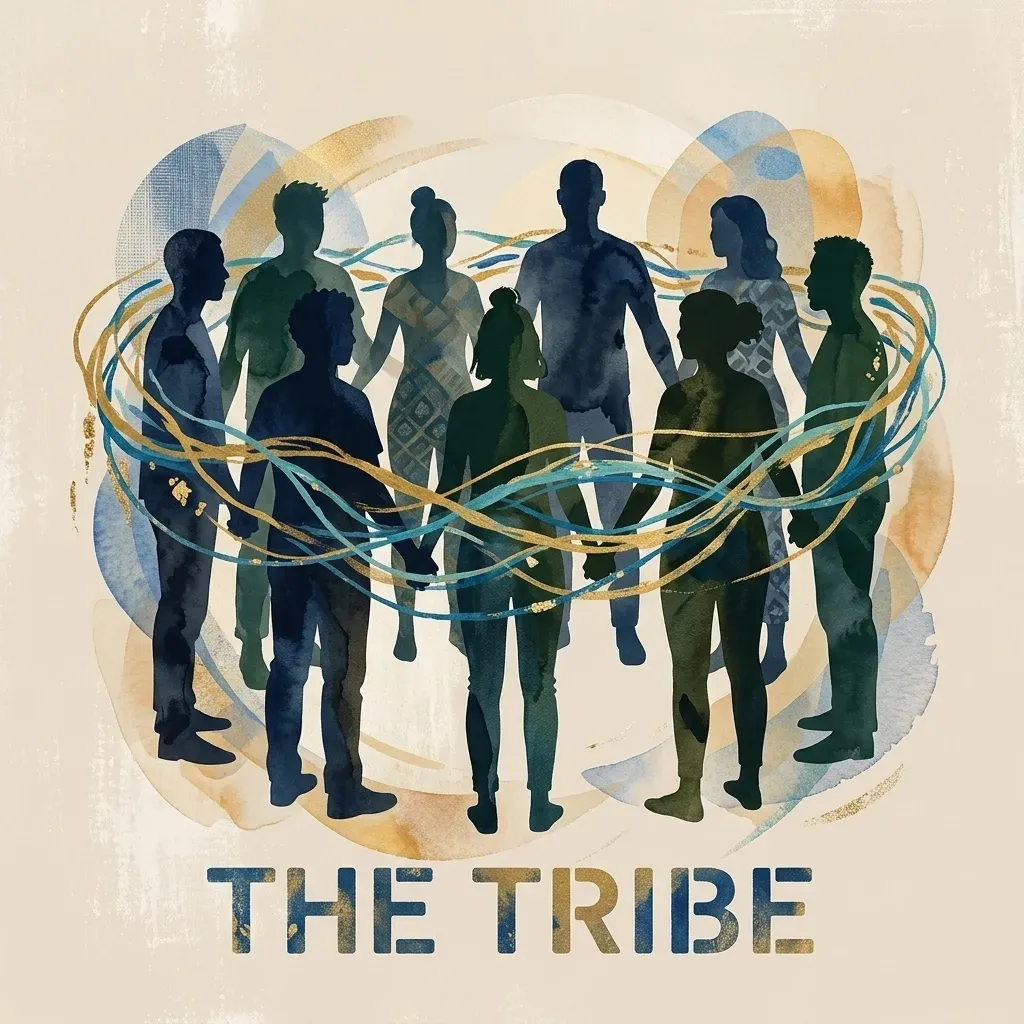
Finding your tribe post-service isn't about replicating the military; it’s about restoring the connection. It is moving from the rigid structure of the unit to the fluid, restorative power of a chosen community.
Here is how you find your new signal.
1. ADMIT THE ABSENCE
Mapping the void.
The first tactical step to finding a community is admitting you are without one. In the military, we are taught to be self-sufficient, but self-sufficiency is a lie when it comes to the human spirit. Isolation is a threat.
Shed the mask of "I’m fine."
Honesty is your primary navigation tool. To find a tribe, you must acknowledge that the old one: the one that was issued to you: is gone. You are now a free agent in a civilian world that often speaks a different language.
TACTICAL ACTION:
Audit your silence. How many days go by without a deep, meaningful conversation?
Identify the gap. Do you miss the physical challenge, the shared mission, or the dark humor?
Write it down. Use a journal to list what you need from a community.
2. SEEK THE SHARED SIGNAL
Forging new terrain.
You don’t need to reinvent the wheel. There are established perimeters waiting for you to enter. The "shared signal" is the common goal that brings people together.
Look for organizations that prioritize action over talk. Veterans often struggle with civilian social circles because they lack a "mission." Find a new mission.
COMMUNITY PILLARS:
Team Red, White, and Blue (Team RWB): Connection through physical activity. A shared sweat is a shared language.
The Mission Continues: Service as a tool for transition. Volunteering in local communities provides a sense of duty that mirrors the service.
Wounded Warrior Project: Peer support groups that offer a safe harbor for those navigating the visible and invisible scars of war.
Connection is a daily, tactical practice. It requires you to show up, even when the civilian "vibe" feels foreign.
3. USE THE BRUSH AS A BRIDGE
Fluidity over friction.
At Camouflage to Canvas, we believe that art is a tactical tool for restoration. When words fail: and they often do when processing transition or trauma: color and texture take the lead.
ART WORKSHOPS provide a unique convergence. There is no rank in a studio. There is only the canvas and the truth. Shared creative expression bypasses the awkward small talk of civilian life and goes straight to the core of the human experience.

CREATIVE CONVERGENCE:
Shared Vulnerability: Everyone starts with a blank page.
Tactile Focus: Working with your hands grounds the nervous system.
Visual Dialogue: Seeing someone else’s struggle and triumph on a canvas builds a bridge that words cannot.
Participating in creative healing sessions allows you to process the "camouflaged shame" or the weight of transition alongside others who understand the weight.
4. ESTABLISH THE PERIMETER
Rhythms of resilience.
A tribe isn't a one-time meeting; it is a recurring rhythm. In the military, accountability is forced. In civilian life, it must be engineered.
You must establish a perimeter of check-ins. If you find a person or a group that resonates, you must protect that connection.

HOW TO STAY CONNECTED:
The 72-Hour Rule: If you meet someone who speaks your language, follow up within 72 hours. No excuses.
CREATIVE COACHING: Engage in CREATIVE COACHING to help navigate the emotional hurdles of staying connected. Mentorship provides the external push we often lose post-service.
Digital Integration: Use platforms like RallyPoint or branch-specific groups to keep the digital signal alive when physical meetings aren't possible.
Structure your social life with the same discipline you used to structure your gear. Consistency is the foundation of trust.
5. LEAD FROM THE CANVAS
Shedding the mask.
The final step in finding your tribe is becoming the leader of one. You have spent years being part of a team; now, use that experience to guide others who are still wandering the woods of transition.
Healing is not a destination; it is a lifestyle.
LEADERSHIP FRAGMENTS:
Mentor: Take a younger veteran under your wing.
Share your story: Read resources like Camouflaged Shame: Uncensored to see how vulnerability can be turned into an asset.
Host: Start a small creative group in your living room. A few paints, a few canvases, and a lot of honesty.
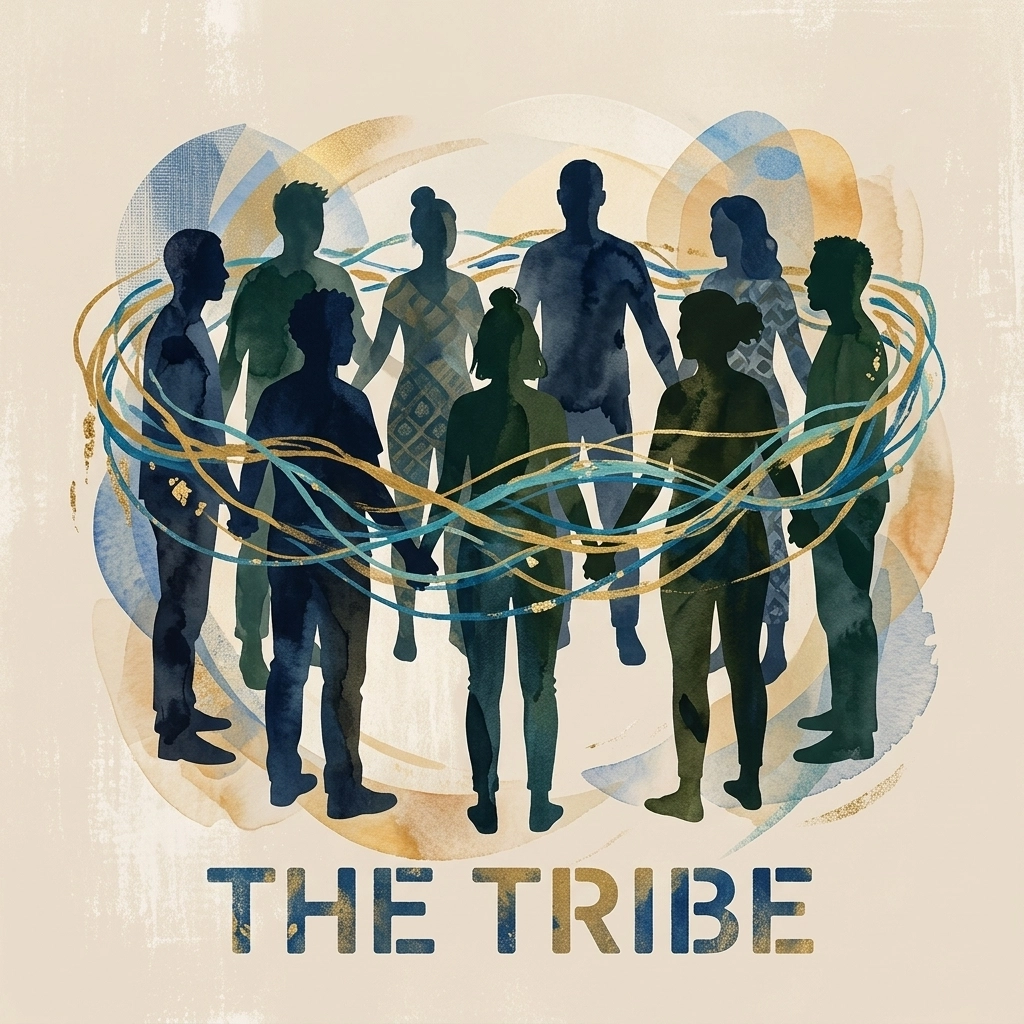
When you lead from a place of authenticity: shedding the 'camouflage' of your past: you invite others to do the same. This is how a tribe is born. It is not about the uniform; it is about the unfettered life you build together.
UNFETTERED ART. TACTICAL HEALING.
Finding your tribe is a mission of personal restoration. It requires the discipline of a Marine and the openness of an artist. Start small. Pick up the brush. Send the text. Shed the mask.
Your tribe is waiting. They are just waiting for you to signal.