How to Shed Your Tactical Mask
How to Shed Your Tactical Mask: 5 Steps to Personal Restoration Through Art
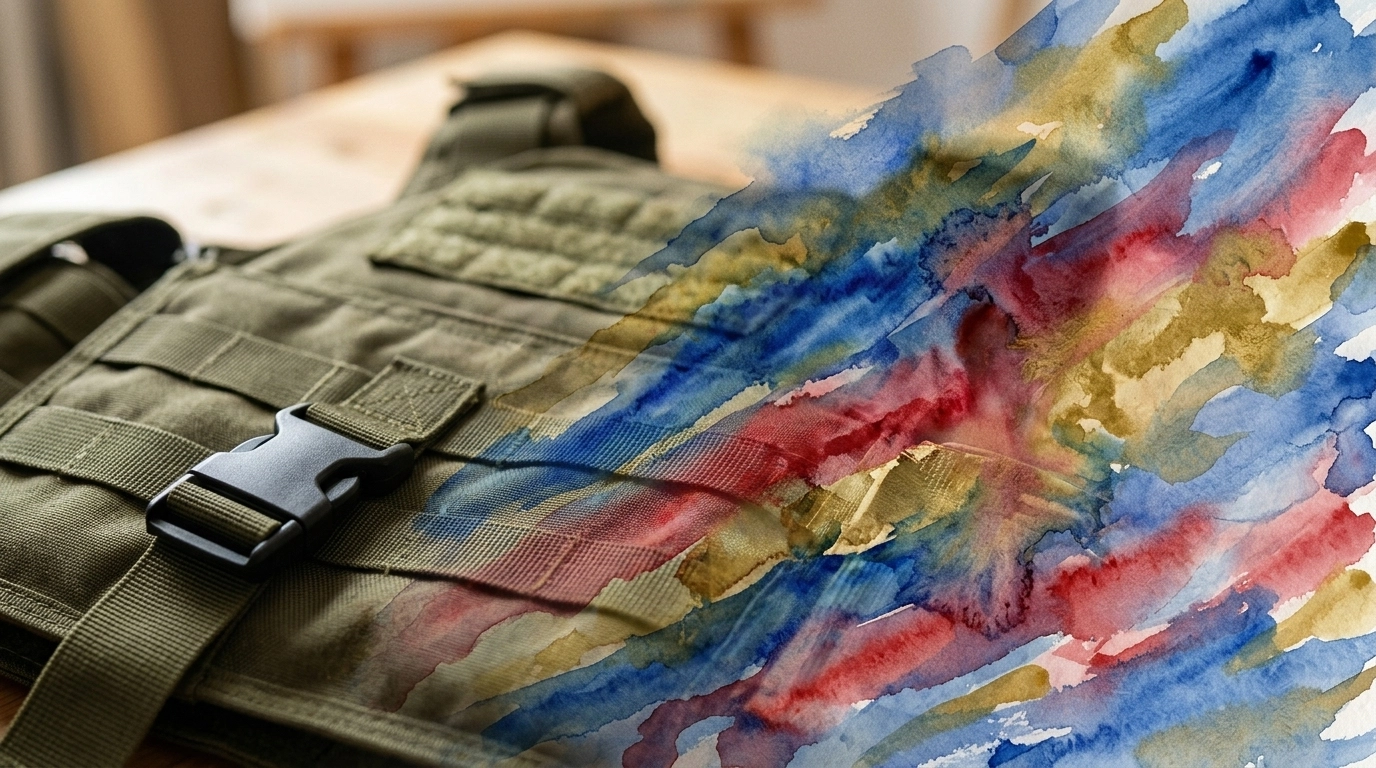
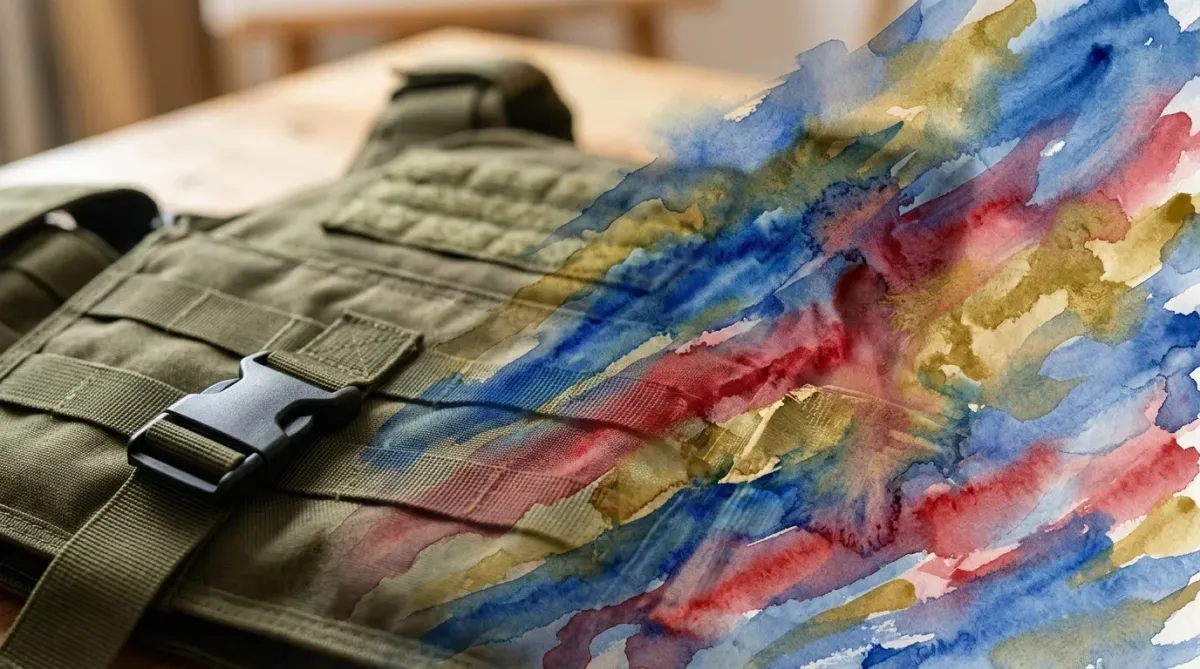
The mask is heavy. It is built for survival, crafted from the steel of discipline and the shadows of resilience. As a U.S. Marine, I learned to wear it well. It is the "tactical mask": that stoic, unwavering exterior we project to the world to hide the chaos, the pain, and the trauma of service.
But for many veterans and Lupus Warriors, the mask that once saved us eventually begins to suffocate us. We carry the camouflage into civilian life, using it to hide not just from others, but from ourselves.
Healing is not a one-time event. It is a tactical practice. It requires us to trade our armor for a brush and our silence for a canvas. To live unfettered, we must learn to shed the mask.
MISSION OBJECTIVE: RESTORATION
Healing is tactical. It requires a plan, a practice, and a persistence.
Art is a weapon. It cuts through the noise of the mind to reach the truth of the heart.
Vulnerability is strength. Dropping the guard is the ultimate act of courage.
Restoration is daily. We don't "get well"; we practice being well.
1. IDENTIFY THE CAMOUFLAGE
The first step in shedding the mask is acknowledging it exists. We often hide behind a veneer of "I'm fine" or "It's handled." For veterans, this is the byproduct of a culture that values mission over emotion. For Lupus Warriors, it is the exhaustion of explaining a chronic illness that no one can see.
Look at your reflection: not in the mirror, but in your habits. Are you avoiding quiet moments? Are you burying your fatigue under a pile of tasks? This is your camouflage. Identifying it is the first tactical move toward personal restoration. When we name the mask, we begin to loosen its straps.
2. SELECT YOUR MEDIUM
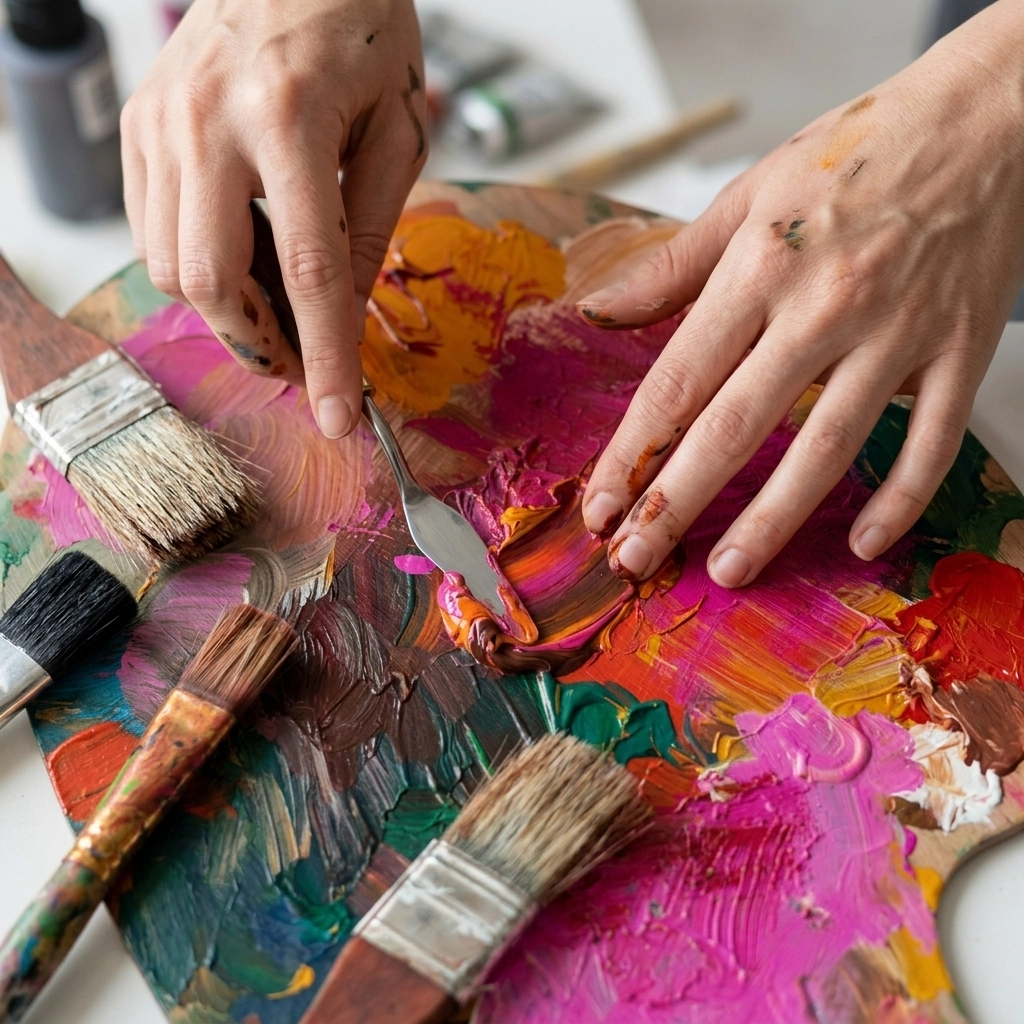
In the field, you choose your tools based on the mission. In art, you choose your medium based on your emotional landscape. Each material offers a different frequency of release.
WATERCOLOR: Fluid. Unpredictable. Transparent. Use this when you need to practice letting go of control. Watercolor requires you to work with the water, not against it. It is the art of surrender.
OILS: Thick. Rich. Slow-drying. Oils are for the long haul. They allow you to layer, to scrape away, and to build back up. This is for the heavy lifting of processing long-term trauma.
ACRYLICS: Bold. Fast. Forgiving. Acrylics are perfect for high-impact expression. If you have a "flare" or a sudden surge of emotion, acrylics keep pace with your intensity.
3. ENGAGE THE CANVAS
Action precedes clarity. Do not wait for inspiration; initiate the strike. The blank canvas is not an enemy; it is a safe harbor. It is the one place where your "tactical mask" serves no purpose.
Start with a single mark. It doesn't have to be a mountain or a face. It can be a jagged line of red or a soft wash of blue. The goal is not to create a masterpiece; the goal is to move the energy from your body onto the surface. For those navigating Lupus challenges, this is a moment of pacing: allowing the hands to express what the words cannot.
TACTICAL ART PRACTICE
Breathe into the brush. Let your exhale guide the stroke.
Release the outcome. The process is the restoration.
Engage the senses. Feel the grit of the paper, the smell of the pigment, the weight of the tool.
4. NAVIGATE THE REVEAL
As the paint dries, the mask begins to crumble. You might see things in your work that surprise you: shadows you didn’t know you were carrying or light you thought was extinguished. This is the "inner map."
Art bypasses the logical brain. It speaks the language of the nervous system. When we look at what we've created, we are looking at our internal reality without the filters of civilian expectation or military discipline. This is where Creative Coaching becomes vital: having a guide to help you translate these visual messages into actionable healing.
5. WALK OUT UNFETTERED
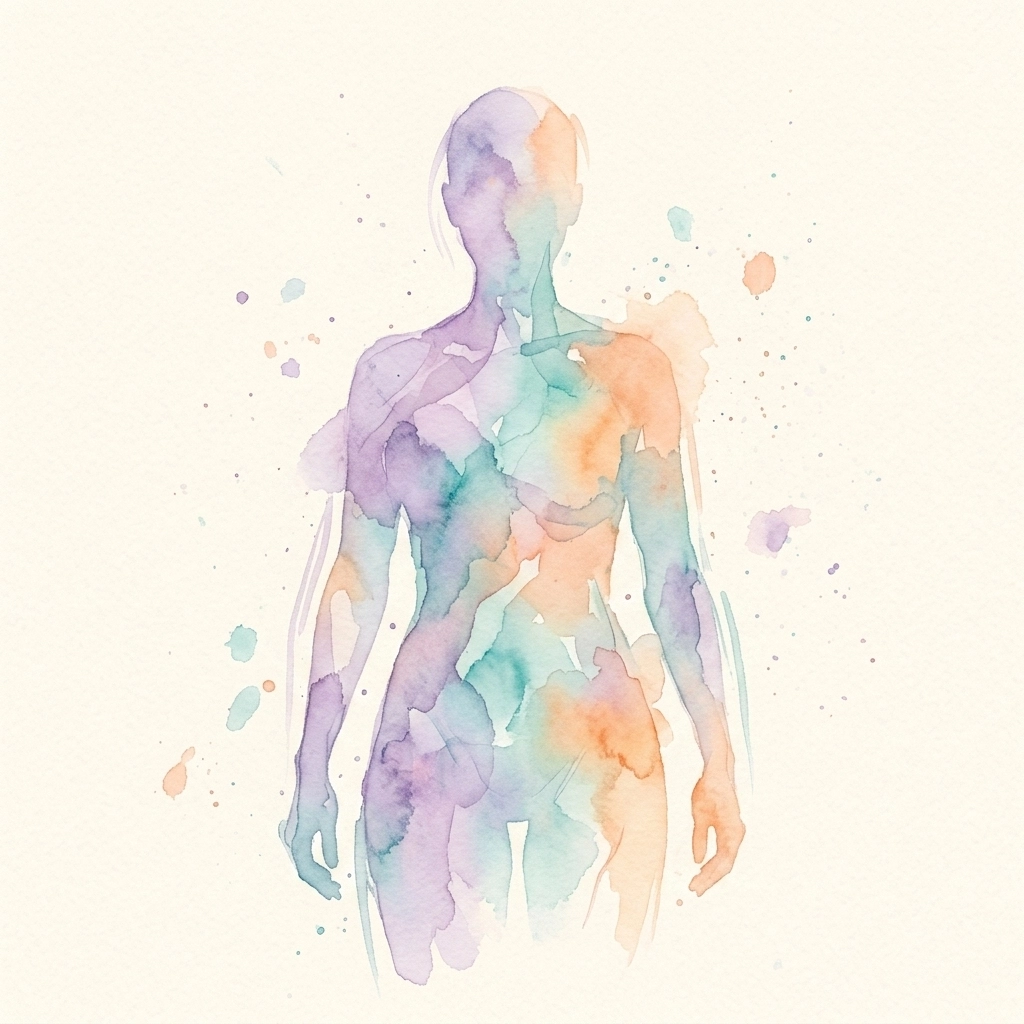
Shedding the mask is not about becoming someone else; it’s about returning to who you were before the world told you who to be. It is about living "unfettered": free from the restraints of past trauma and chronic limitations.
The final step is integration. Take the peace you found at the easel and carry it into your morning coffee. Take the resilience you discovered in the paint and use it to navigate your next health flare or transition hurdle. You are no longer just a veteran or a warrior; you are an artist of your own life.
ART WORKSHOPS AND FACILITATION
Guided sessions using watercolor, oils, and acrylics to help individuals process trauma and express emotions. Explore our workshops.
AUTHOR AND SPEAKER SERVICES
Sharing the journey from the front lines to the fine arts to inspire others through books like Camouflaged Shame. Learn more here.
CREATIVE COACHING
Mentoring on using art as a tactical tool for healing and self-discovery. Start your journey.
THE WARRIOR'S JOURNAL
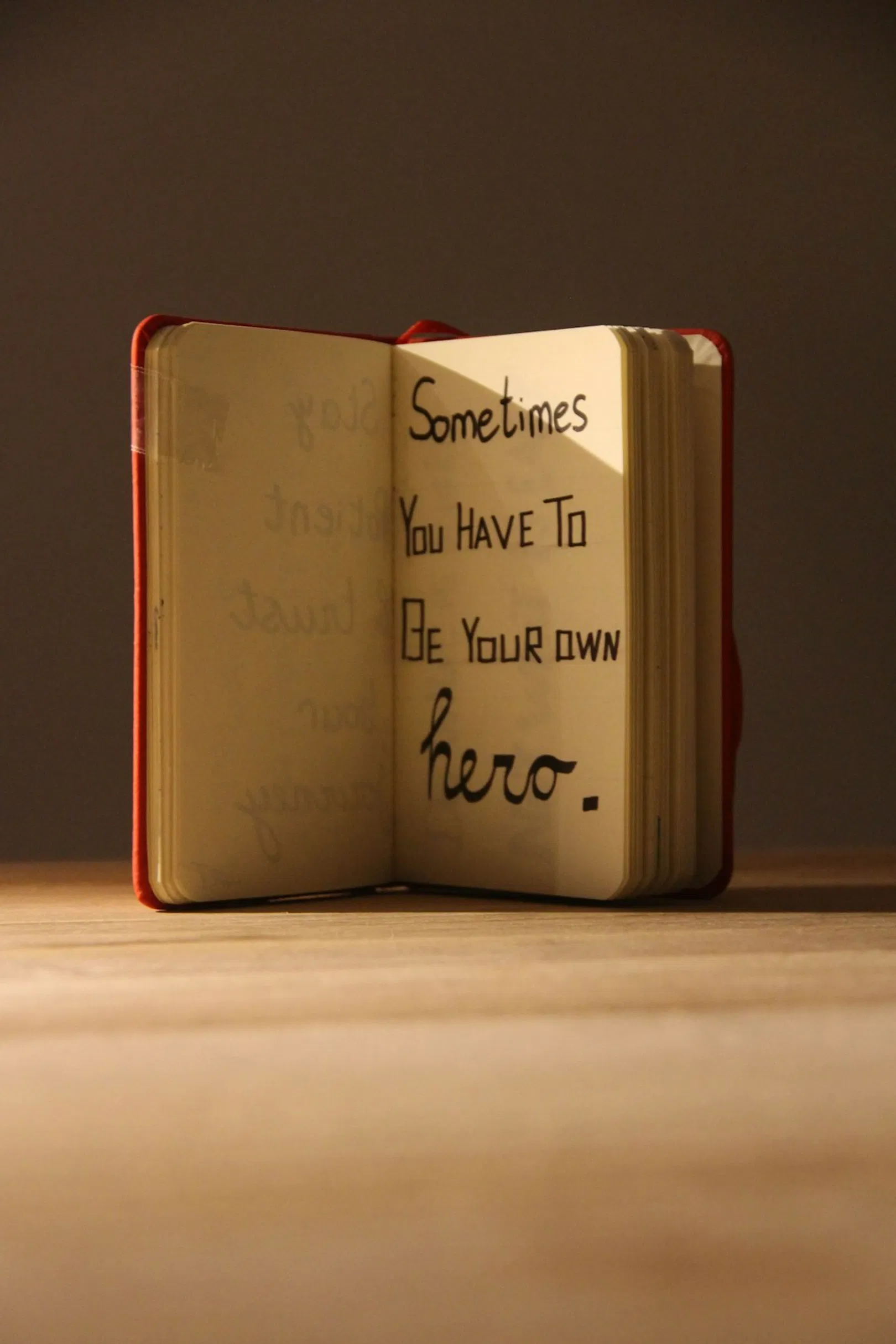
Personal restoration requires a record. Whether it is a sketch or a sentence, documenting the shedding of your mask ensures you don't accidentally put it back on.
Healing is a daily tactical practice. It is the choice to be seen: not as the armor you wear, but as the soul beneath it. At Camouflage to Canvas, we provide the tools, the space, and the guidance to make that choice every single day.
Ready to trade your camouflage for a canvas?
CREATIVE HEALING RESOURCES
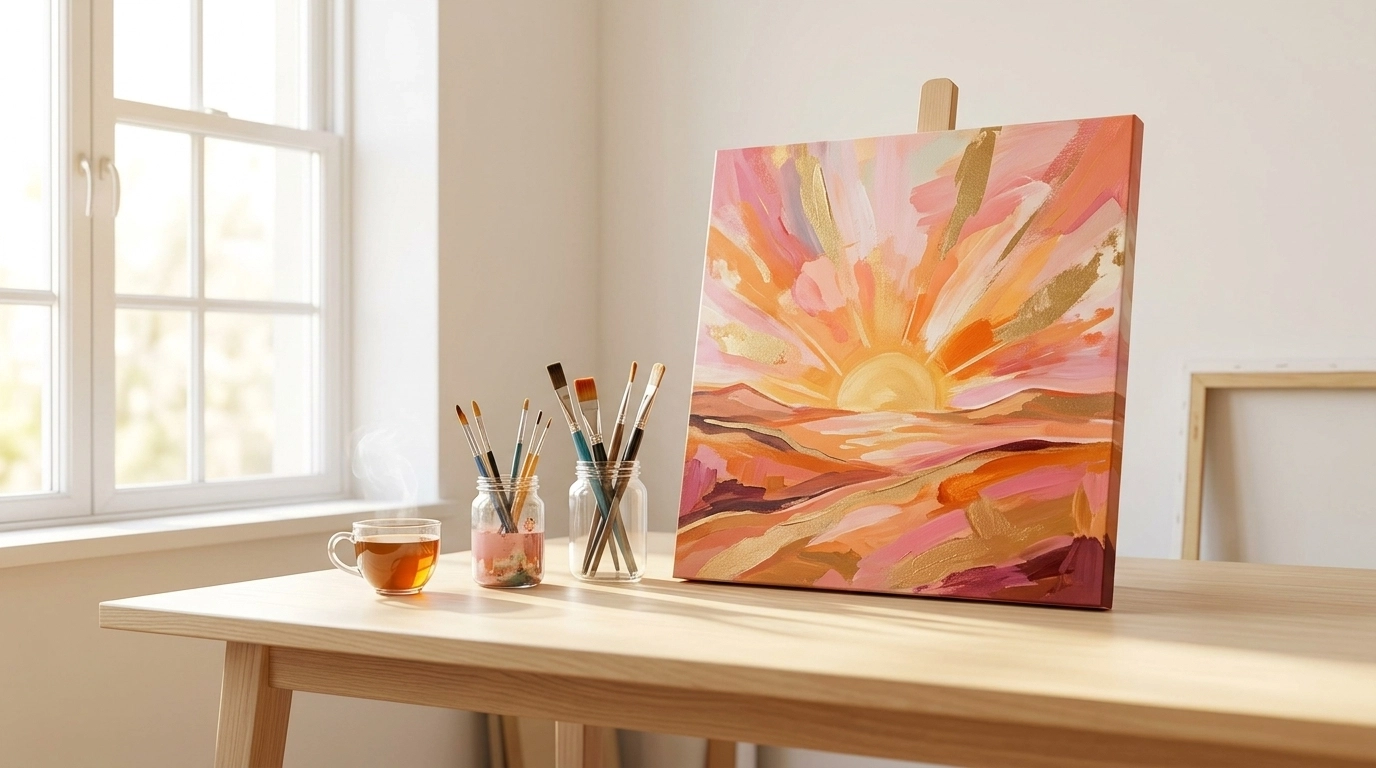
DAILY PRACTICE: Set aside 15 minutes for unfettered expression.
SAFE HARBOR: Join a community that understands the weight of the mask.
TACTICAL TOOLS: Invest in quality materials that honor your journey.
Your restoration is waiting. It’s time to shed the mask.